Hydraulic Concrete Wall Saw Cutting
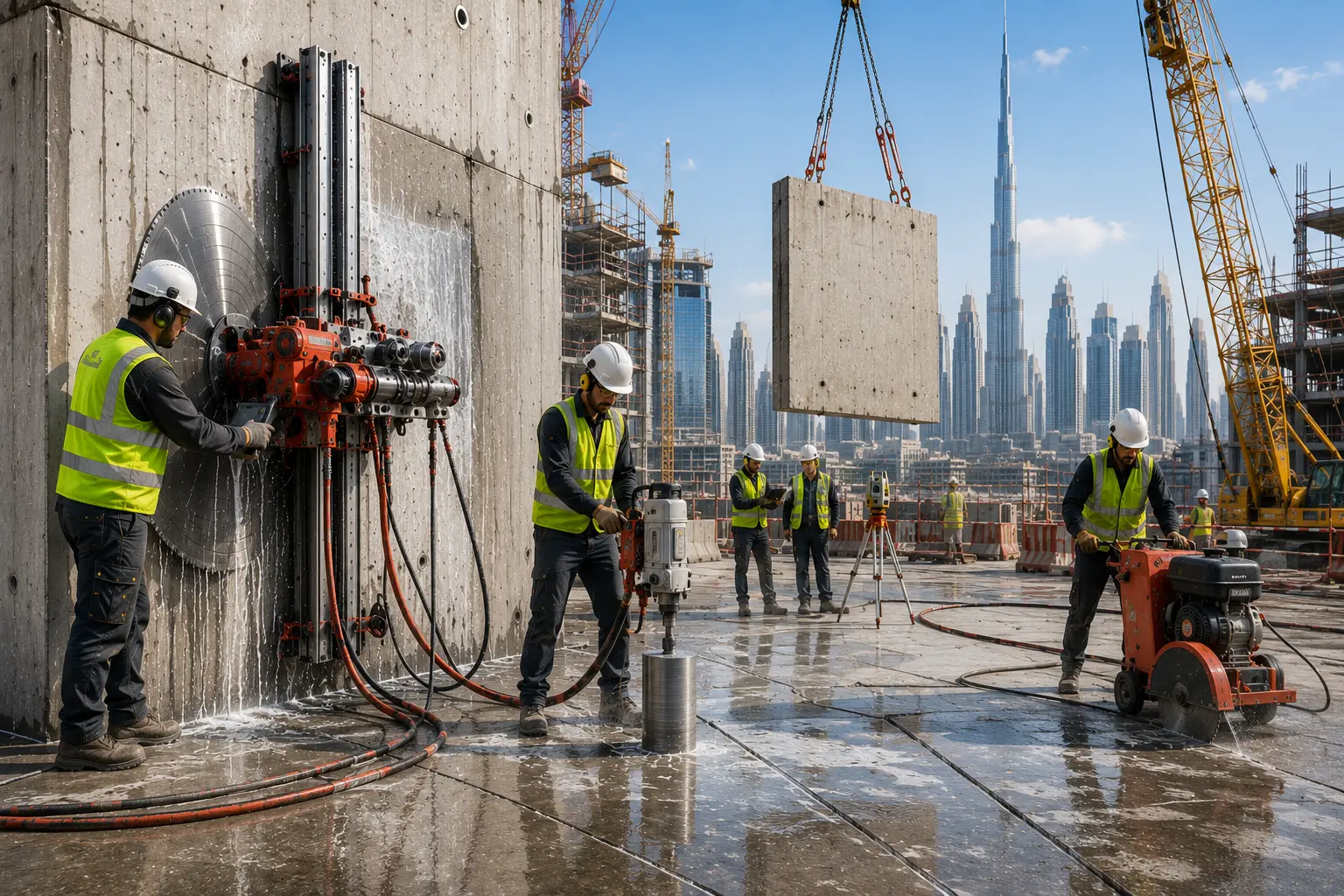
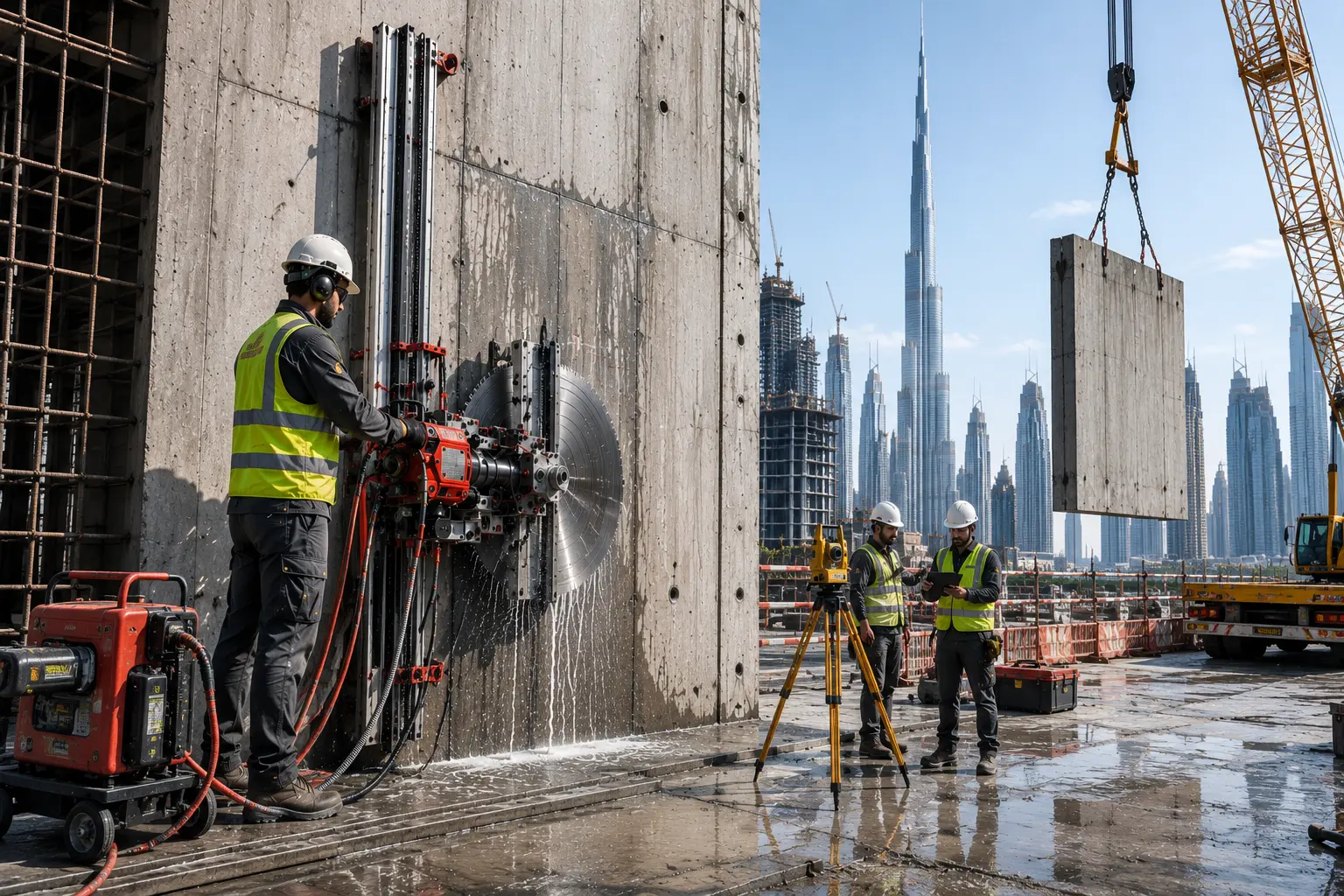
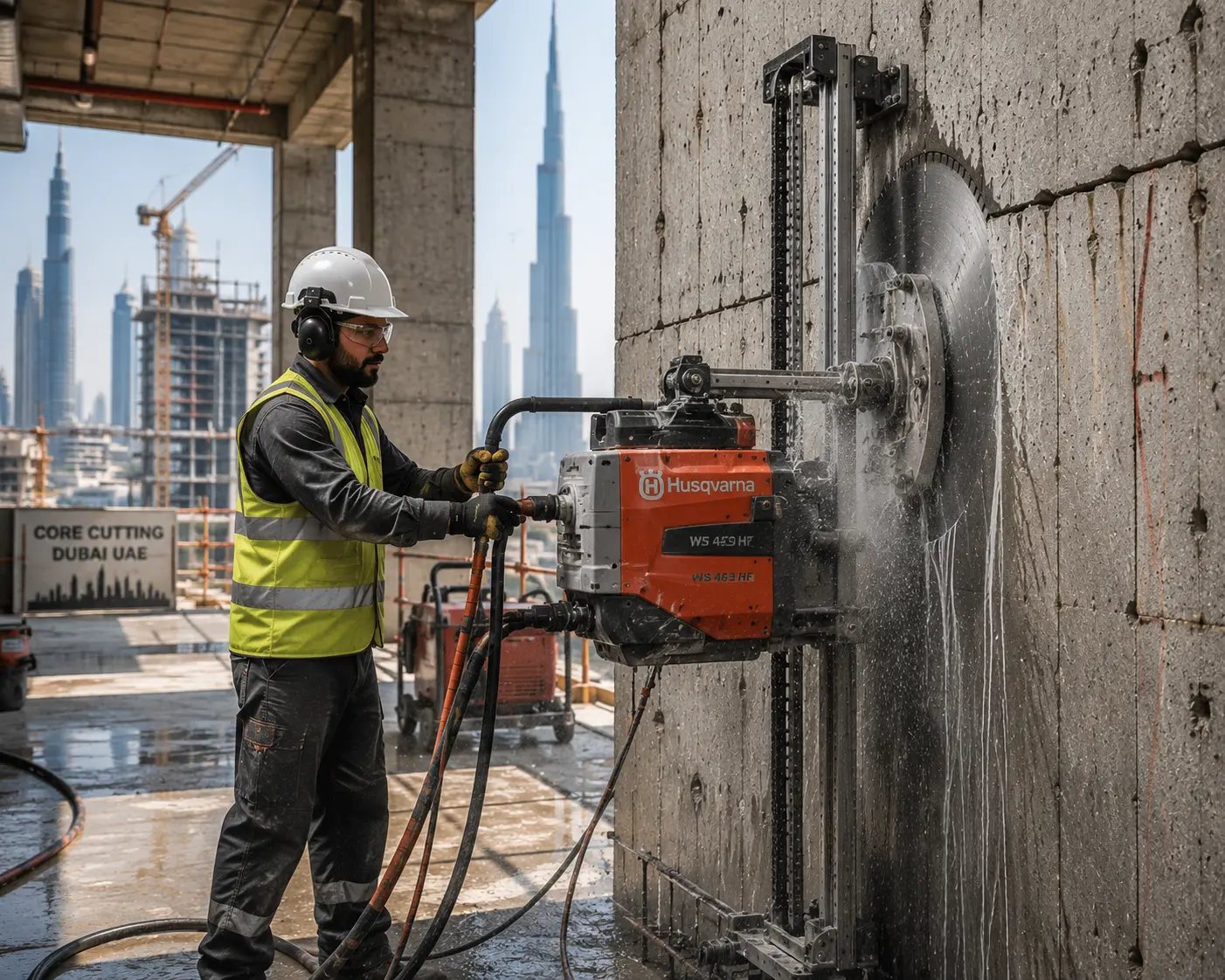
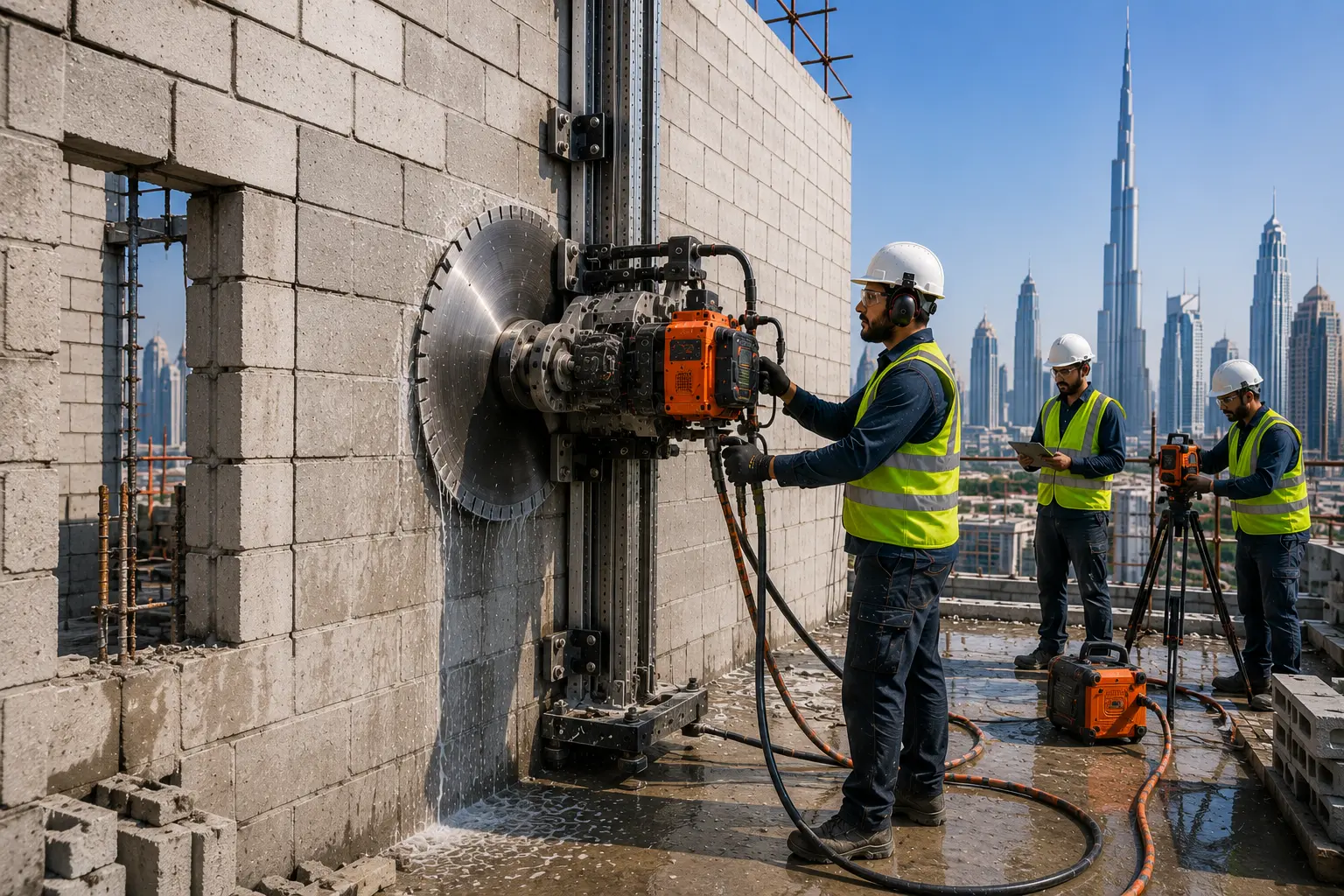
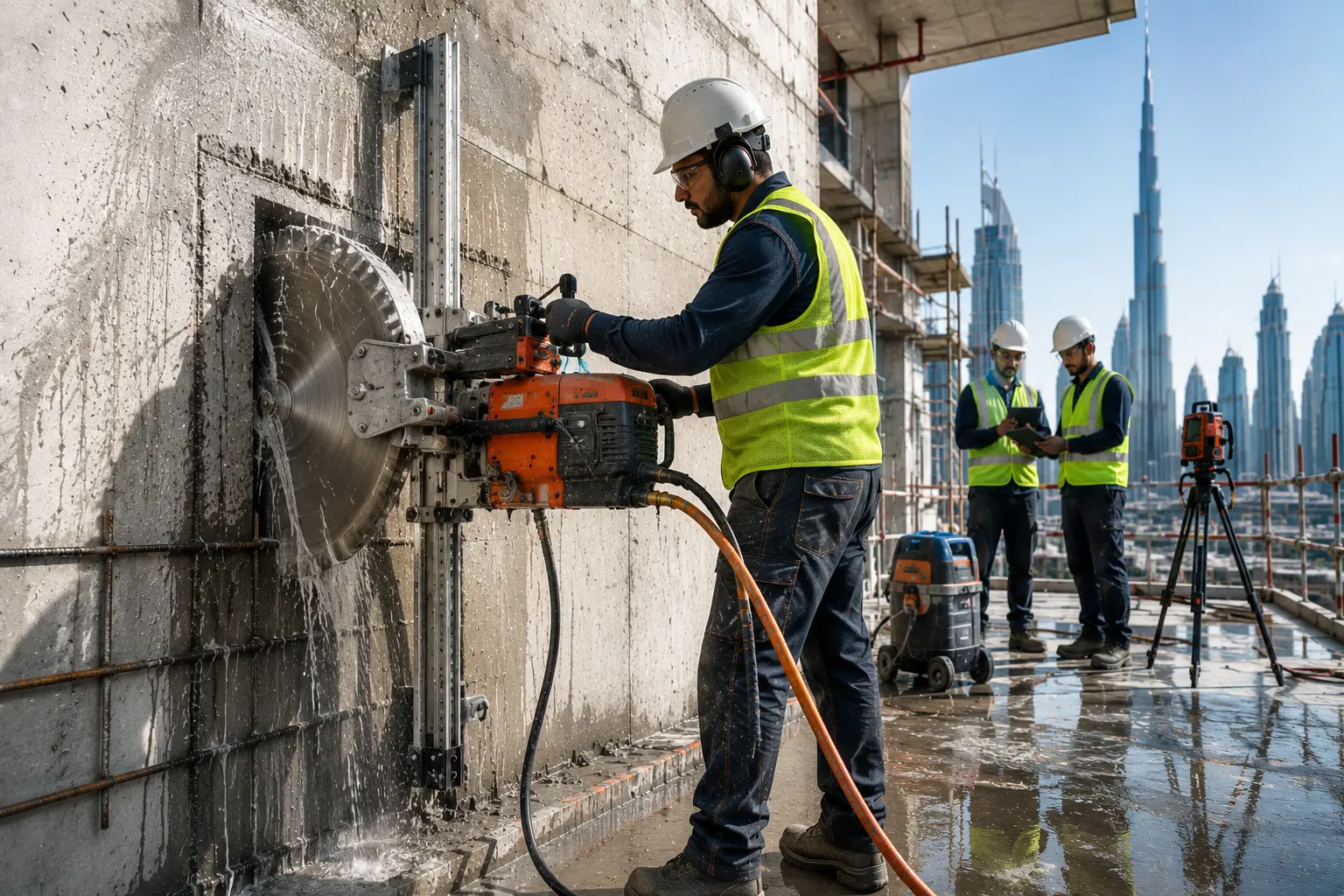
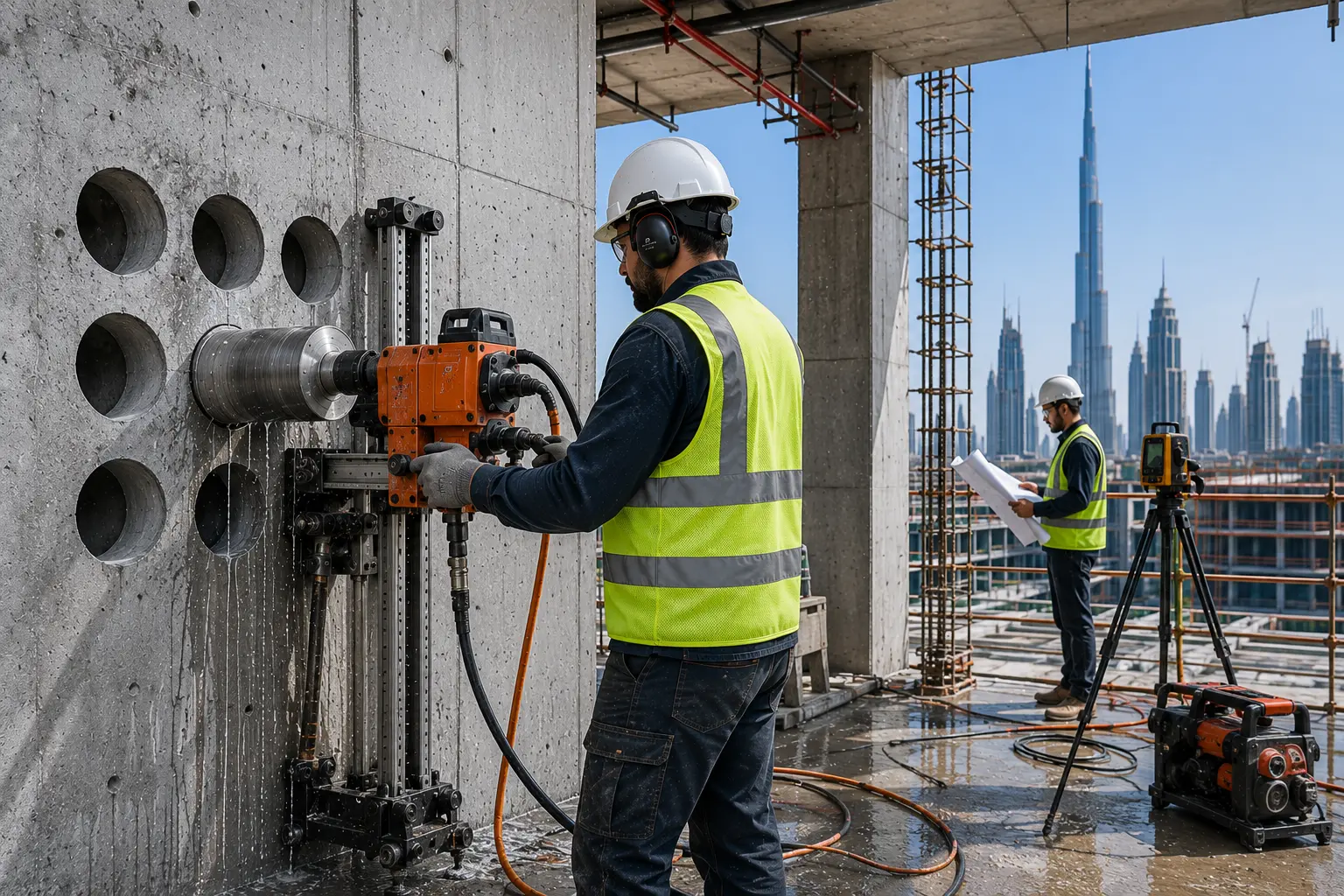
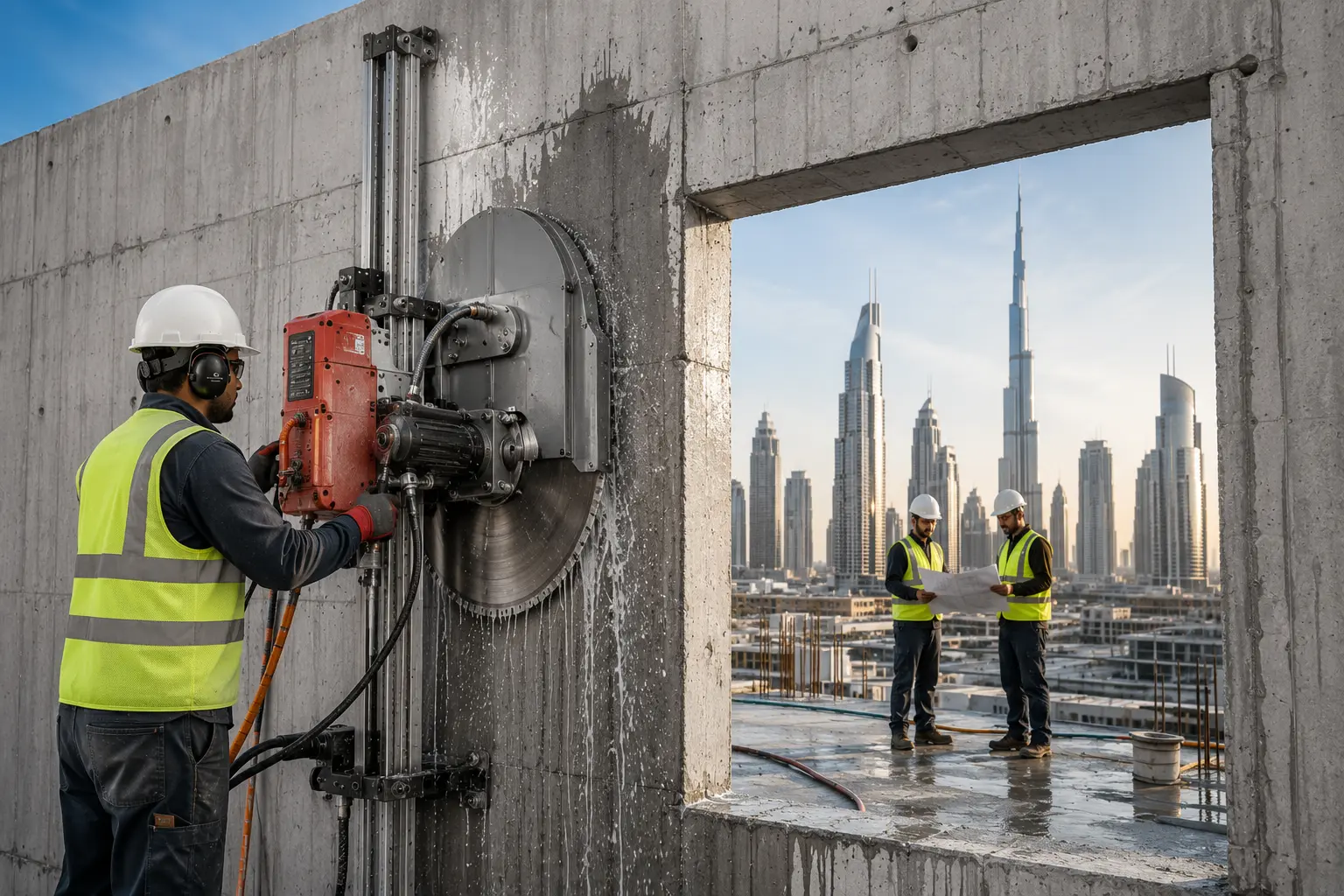
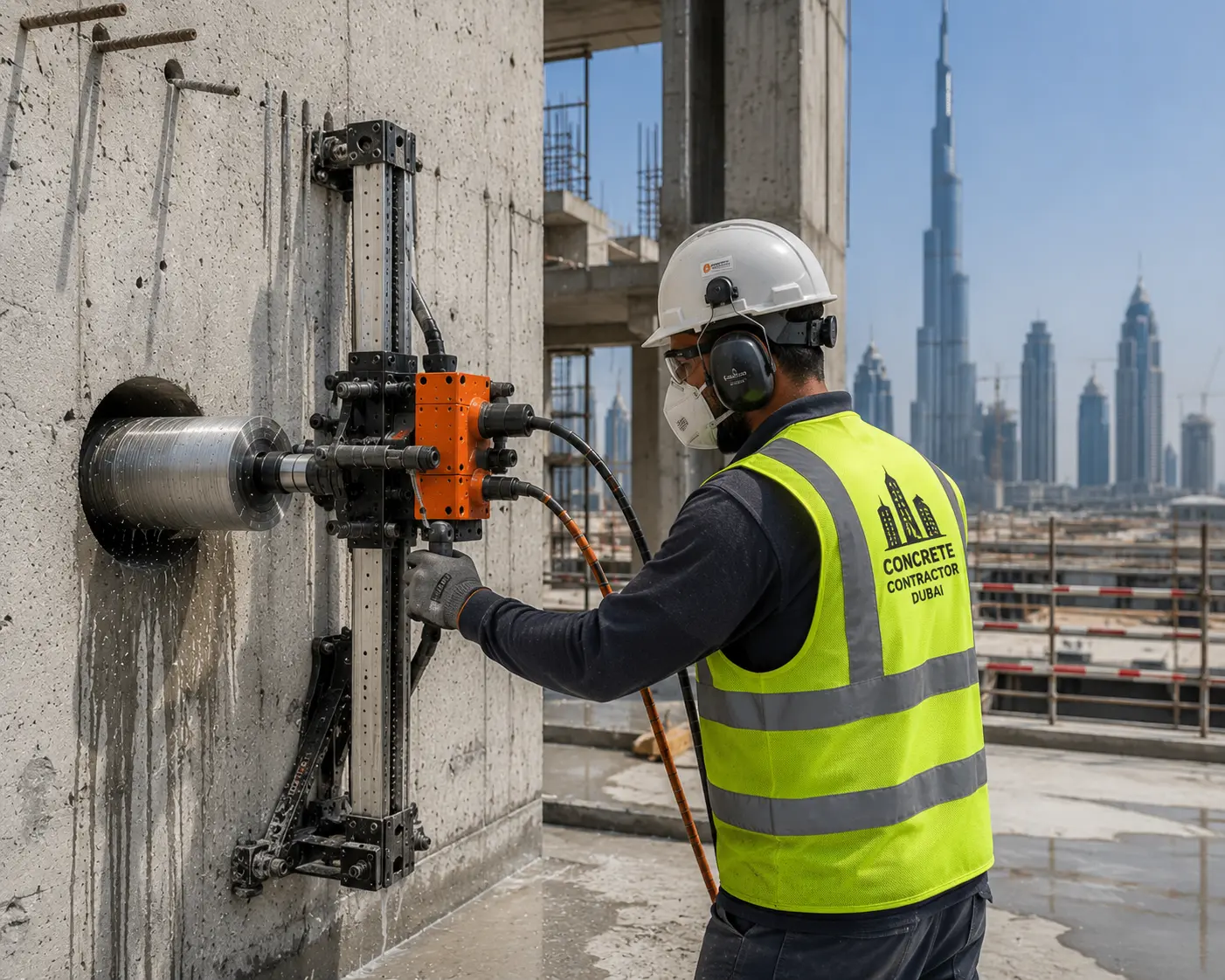
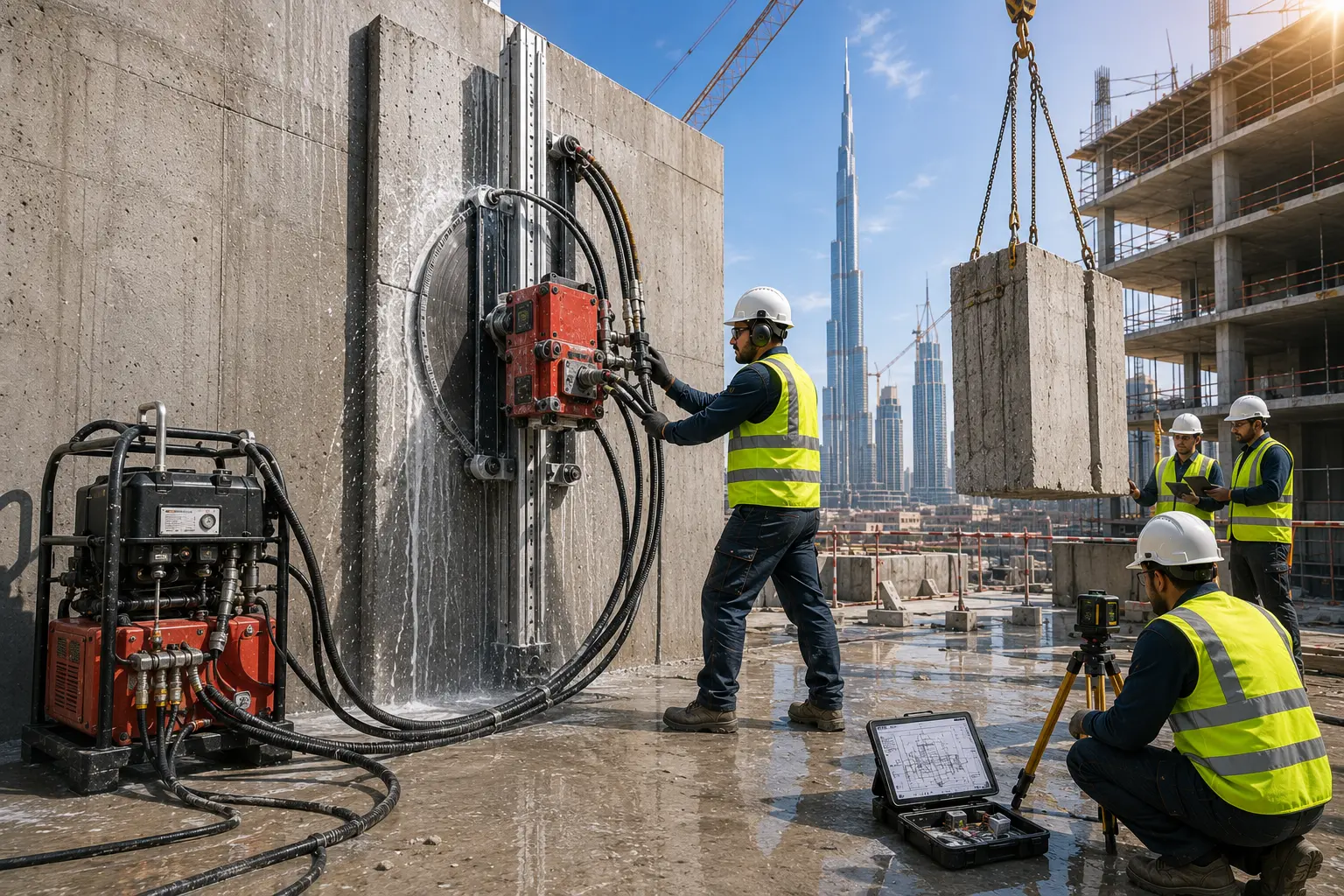
Hydraulic Concrete Wall Saw: The Complete Guide to Precision Wall Cutting in Dubai Introduction When a construction project needs a clean, straight opening cut through a thick or reinforced concrete wall, a hydraulic concrete wall saw is often the tool that gets called in. Unlike smaller handheld equipment, this machine is built to handle demanding jobs with accuracy and control, making it a favorite among experienced contractors across Dubai. This guide explains what a hydraulic concrete wall saw actually does, when it is the right choice for your project, and how to find a team that operates this equipment safely and effectively. By the end, you will understand exactly why this method is trusted for some of the toughest cutting jobs in the construction industry. Table of Contents What Is a Hydraulic Concrete Wall Saw A hydraulic concrete wall saw is a heavy duty cutting machine mounted on a guided track that moves along a wall or vertical surface, using a diamond tipped circular blade powered by a hydraulic pump system. Unlike electric or gas powered saws, hydraulic units deliver consistent torque and cutting power even through thick, heavily reinforced concrete. This makes hydraulic wall sawing the preferred choice for large openings such as doors, windows, ventilation shafts, and structural modifications where precision and power both matter. How a Hydraulic Concrete Wall Saw Works The saw is mounted on a rail system that is securely fixed to the wall before cutting begins. A hydraulic power unit, usually positioned a short distance away, supplies pressurized fluid through hoses connected to the saw, driving the blade at controlled speed. Water is continuously fed to the blade during cutting to reduce heat, control dust, and extend the life of the diamond segments. The operator guides the saw along the track, making precise passes until the cut reaches the required depth. For very thick walls, multiple passes may be needed to reach full penetration safely. Common Applications in Dubai Construction This type of hydraulic cutting equipment is used across a wide range of projects throughout the city. • Creating door and window openings in load bearing concrete walls • Cutting ventilation and duct openings for HVAC systems • Removing sections of concrete during structural renovations • Preparing openings for elevator shafts or staircases • Modifying industrial walls for equipment access Because the equipment can handle both standard and heavily reinforced concrete, it is a common choice for commercial towers, industrial facilities, and large residential developments across Dubai. Why Hydraulic Power Makes a Difference Compared to electric wall saws, hydraulic systems offer several practical advantages that matter on demanding job sites. • Higher cutting power for thick or heavily reinforced concrete • More consistent performance during long, continuous cuts • Better suited for outdoor or large scale industrial projects • Reduced risk of motor overheating during extended use These advantages are exactly why hydraulic wall sawing is often specified for commercial and industrial projects rather than smaller residential jobs that may only need lighter equipment. Comparing Hydraulic Wall Saws to Other Cutting Methods Method Best Suited For Power Source Hydraulic wall saw Thick or reinforced walls, large openings Hydraulic pump unit Electric wall saw Standard walls, indoor projects Electric motor Hand held saw Small openings, tight spaces Electric or petrol Wire saw Extremely thick or complex structures Hydraulic or electric drive Advantages of Hydraulic Wall Saw Cutting • Handles reinforced concrete with ease • Delivers straight, accurate cuts even on large openings • Suitable for continuous, high volume cutting work • Reduces vibration compared to demolition methods Points to Keep in Mind • Requires more setup space for the hydraulic power unit and hoses • Best operated by technicians experienced with this specific equipment Despite these considerations, the accuracy and power offered by hydraulic cutting make it one of the most reliable options for demanding wall cutting projects. What to Expect During a Wall Saw Cutting Project Site Assessment A technician reviews the wall thickness, reinforcement level, and surrounding structure to confirm that hydraulic cutting is the right approach for the job. Track Installation A guide track is securely mounted to the wall surface, ensuring the saw follows an exact, straight cutting line throughout the process. Cutting Phase The hydraulic power unit is connected, and the saw makes controlled passes along the track, with water continuously applied to manage dust and heat. Final Inspection Once the cut is complete, the opening is checked for accuracy, edges are inspected for cleanliness, and the area is cleared of debris before the crew leaves the site. Choosing the Right Contractor for the Job Not every cutting company owns or operates hydraulic equipment, since it requires a larger investment and specialized training. When comparing providers, ask the following. A contractor who answers these questions clearly and confidently is far more likely to deliver a smooth, professional result. Safety Considerations for Hydraulic Wall Saw Cutting Because hydraulic wall saws are powerful machines operating on active construction sites, safety planning is essential. • Technicians should wear proper protective equipment, including eye and hearing protection. • The area around the cutting zone should be clearly marked and restricted to authorized personnel. • Structural drawings should be reviewed beforehand to confirm the wall is not load bearing, or that proper support is in place if it is. • Hydraulic hoses and connections should be inspected before each use to prevent leaks or pressure failures. Following these precautions helps ensure the project proceeds safely from start to finish, protecting both workers and the surrounding structure. Industries That Rely on This Equipment Several sectors across Dubai depend on hydraulic cutting technology for their most demanding projects. Commercial Towers and High Rise Buildings Large commercial developments often require openings through thick structural walls for ventilation, utility routing, or layout changes during fit out work, where standard equipment simply cannot handle the wall thickness involved. Industrial Facilities Factories and warehouses frequently need large openings for equipment access, ventilation systems, or structural modifications, often through reinforced walls