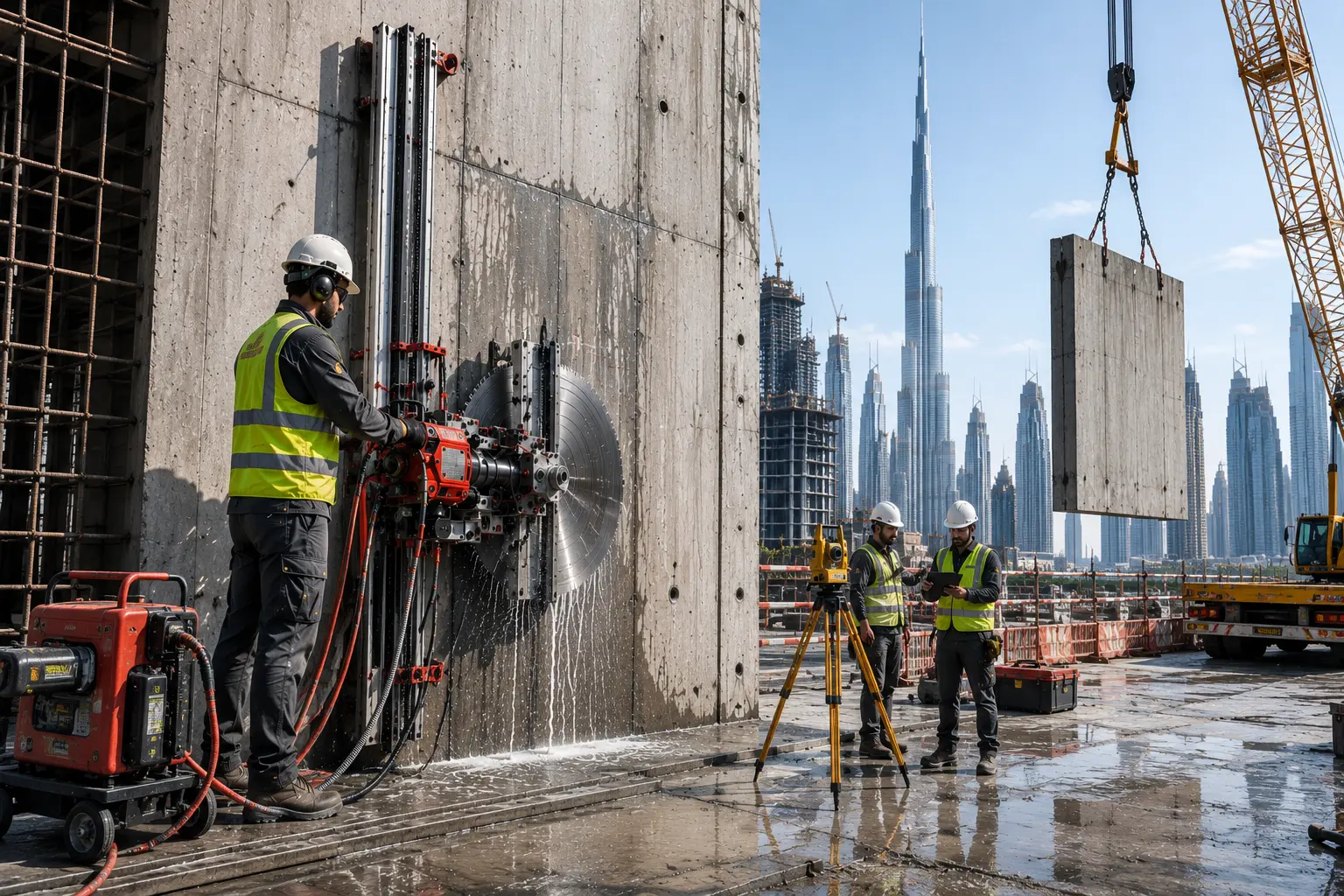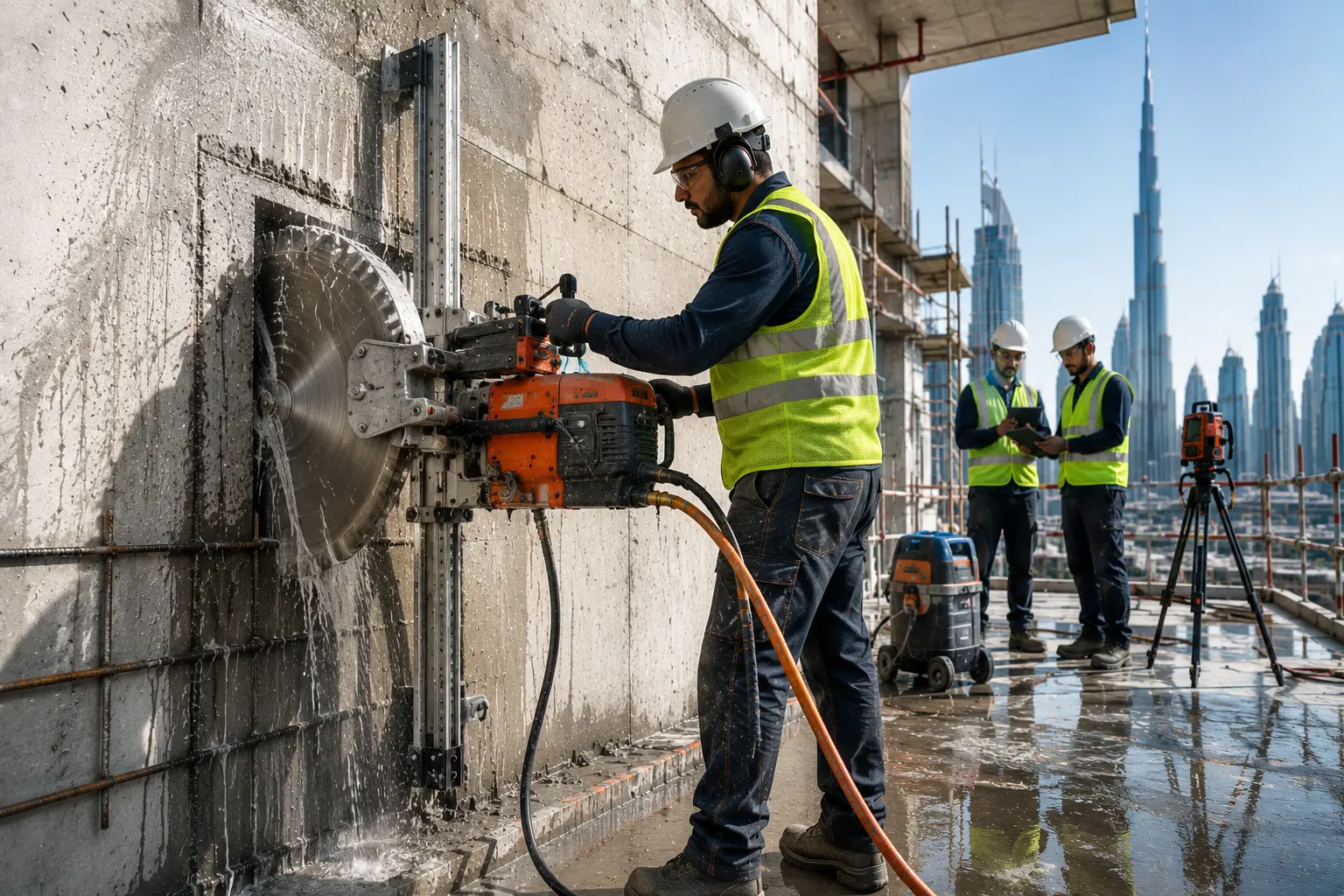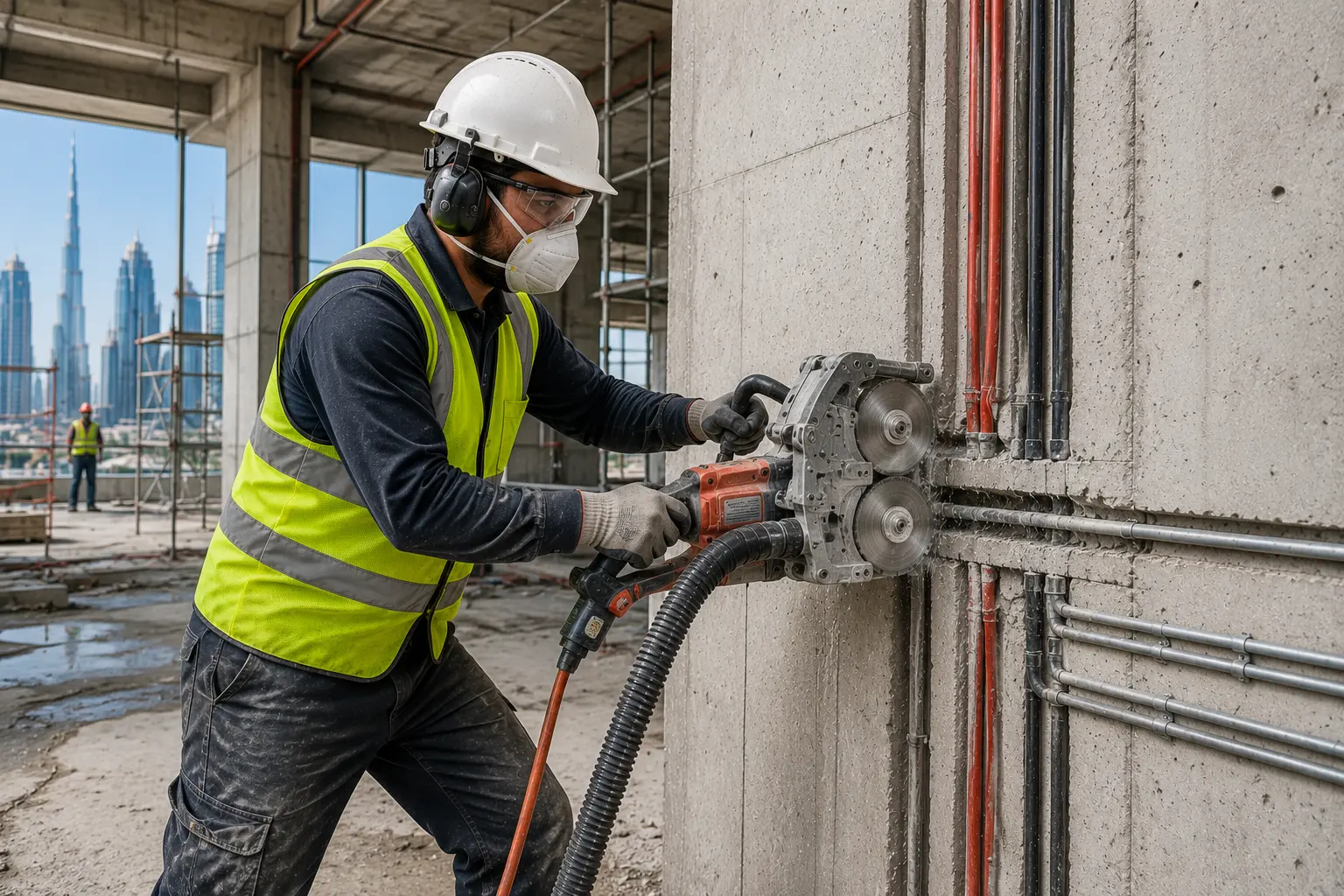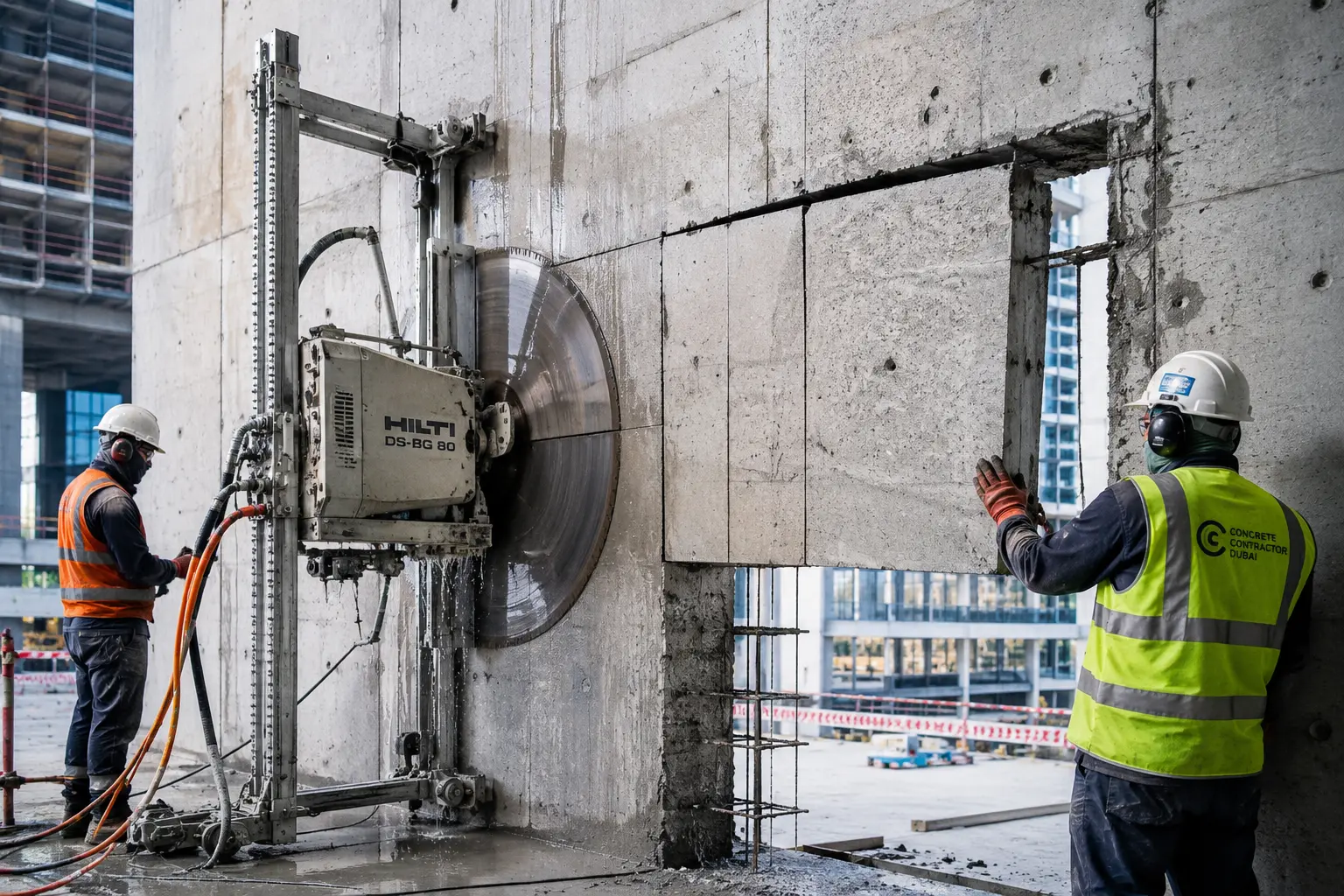
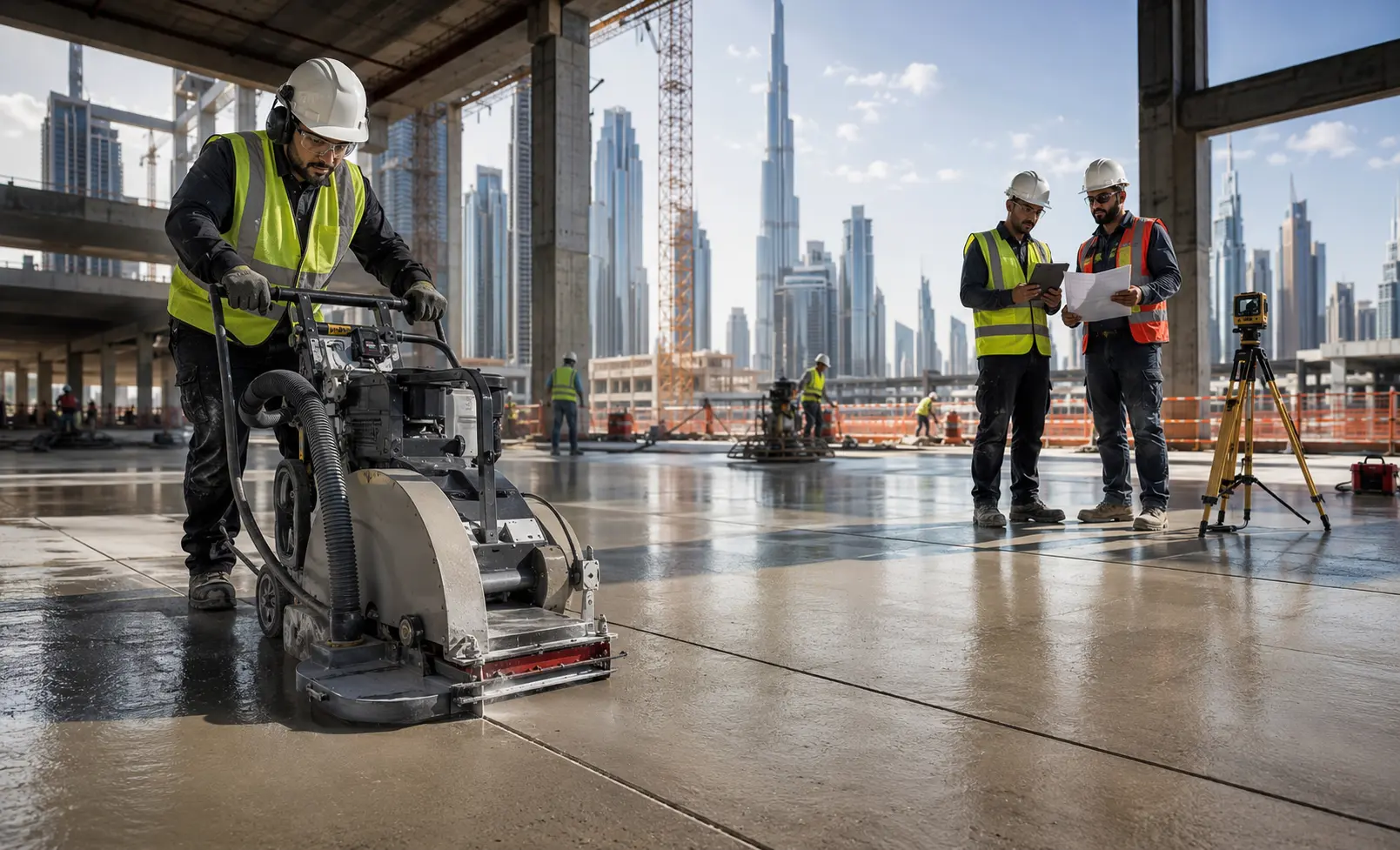
Soft Cut Concrete Saw
Soft Cut Concrete Saw: Why Early Entry Cutting Matters for Every New Slab Introduction Fresh concrete looks solid within hours of being poured, but beneath the surface it is still curing and shrinking as it hardens. If that natural shrinkage is not managed properly, random cracks can form across the slab, ruining an otherwise perfect finish. This is exactly the problem a soft cut concrete saw is designed to solve. This guide explains what soft cutting actually is, why timing matters so much, and how choosing the right team for this job protects your investment in a new concrete floor, driveway, or pavement. By the end, you will understand why this early step often determines how a slab performs for years to come. Table of Contents What Is a Soft Cut Concrete Saw A soft cut concrete saw, sometimes called an early entry saw, is a specialized piece of equipment designed to cut control joints into fresh concrete much earlier than traditional cutting methods allow. Fitted with a skid plate and a specially designed blade, this equipment can safely cut shallow joints into a slab within just a few hours of finishing, long before the concrete has fully cured. Unlike conventional wet saws that require the concrete to harden significantly first, this equipment is built to move across a soft, still curing surface without dragging aggregate or damaging the finish. Why Early Entry Cutting Prevents Random Cracking As concrete cures, it naturally shrinks slightly, and this shrinkage creates internal stress across the slab. If that stress is not relieved in a controlled way, the concrete will crack wherever it finds the weakest point, often in random, unattractive patterns across the surface. Cutting control joints early creates planned weak points along straight, predictable lines, allowing the concrete to crack along those joints instead of randomly across the visible surface. This is the entire purpose behind early entry cutting, and why timing plays such a critical role in the final appearance and durability of the slab. How the Soft Cutting Process Works Monitoring the Concrete Surface Technicians closely monitor the finishing process, watching for the specific point when the surface is firm enough to walk on but still soft enough to cut cleanly. Positioning the Skid Plate The equipment rides on a skid plate that distributes weight across the surface, preventing the machine from sinking into or damaging the still curing concrete. Cutting Shallow Control Joints A specially designed blade cuts a shallow joint, typically just deep enough to guide future cracking without disturbing the surrounding surface texture. Continued Curing After cutting, the concrete continues to cure normally, with the joints already in place to manage shrinkage stress as the slab hardens fully. When Soft Cutting Should Happen After Pouring Timing is everything with this technique. Cutting too early can drag aggregate and damage the fresh finish, while cutting too late allows random cracking to begin before joints are in place. Depending on weather conditions, concrete mix design, and finishing time, joints are often cut somewhere between one and four hours after the final finishing pass. Warmer temperatures typically speed up curing and shorten this window, while cooler conditions may extend it slightly. An experienced operator relies on both experience and surface testing to judge the exact right moment, which is why this task is best left to a trained specialist rather than general labor. Comparing Soft Cutting to Traditional Wet Cutting Factor Soft Cutting Traditional Wet Cutting Timing after pour One to four hours Six to twenty four hours or more Crack prevention Excellent, joints placed before cracking begins Good, but risk of cracks forming first Equipment used Early entry saw with skid plate Standard wet saw with water cooling Dust and water Dry cutting, no water needed Wet cutting, water used for cooling Best suited for Large slabs, warehouses, driveways General repairs and smaller sections Advantages of Soft Cutting • Significantly reduces the risk of random cracking • Can be performed the same day as pouring • No water required, keeping the site cleaner • Ideal for large open slabs where shrinkage stress is highest Points to Keep in Mind • Requires precise timing and an experienced operator • Joint depth is shallower than traditional wet cutting methods Common Projects That Require This Technique • Warehouse and industrial floor slabs • Large parking lots and driveways • Commercial building foundations • Airport and infrastructure pavements • Any large, continuous concrete pour prone to shrinkage cracking Because larger slabs experience greater shrinkage stress across their surface, this technique is especially valuable for expansive commercial and industrial pours common throughout Dubai. Choosing the Right Team for Early Entry Cutting Not every contractor owns the specialized equipment or has the timing experience needed for this task. When comparing providers, ask the following questions. A contractor who answers these questions with specific, confident detail is far more likely to deliver a slab that performs well for years to come. Tips for a Smooth Soft Cutting Project • Coordinate scheduling between your concrete supplier, pouring crew, and cutting team in advance. • Share expected weather conditions with your contractor, since temperature affects timing significantly. • Confirm the recommended joint spacing pattern before the pour begins, not after. • Ask about equipment availability during your planned pouring window, especially for larger projects. • Keep the finishing and cutting teams in close communication throughout the day of the pour. Industries and Projects Where This Equipment Is Essential Across Dubai, several types of projects rely heavily on properly timed joint cutting to avoid costly cracking issues later. Warehousing and Logistics Facilities Large warehouse floors are poured in continuous sections, creating significant shrinkage stress across wide open areas. Without properly placed joints, these floors are especially prone to random cracking that can affect both appearance and structural performance under heavy racking or equipment loads. Retail and Commercial Developments Shopping centers, showrooms, and commercial complexes often feature large exposed concrete areas where cracking would be highly visible to customers,